
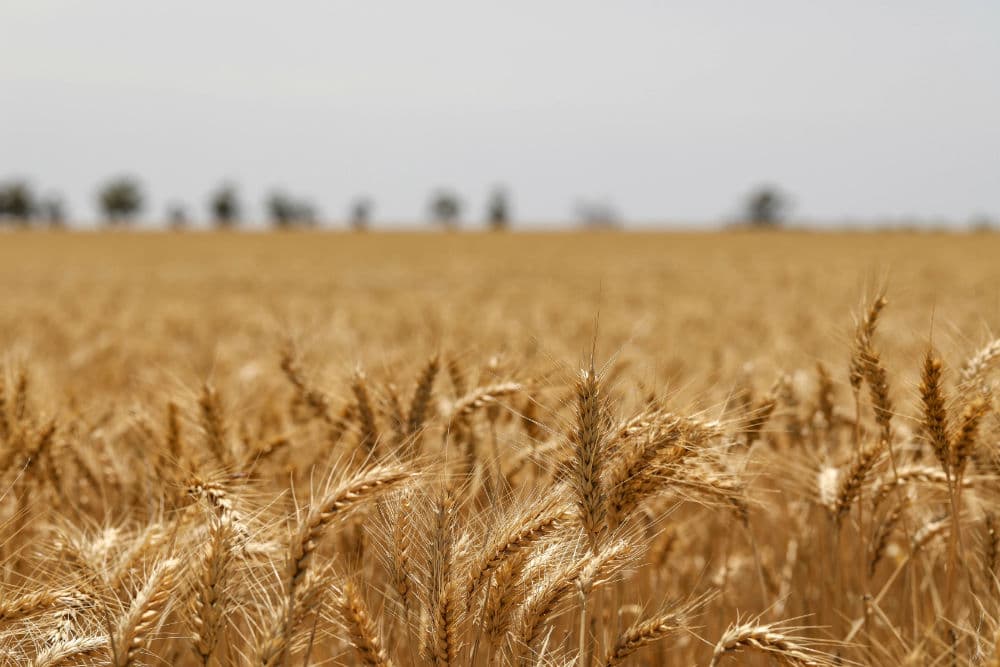
Start with your growing conditions
The right wheat seed is the one that fits your farm. Local climate, soil type, irrigation access, planting date, and the intended use of the grain all influence variety choice. Start by checking which varieties are recommended and available in your area, then compare their maturity and management requirements with your farm plan.
Ask a trusted local agronomist or authorised seed partner about regional trial performance and seed suitability. No single variety is best for every field, and results can vary with weather and crop management.
Prepare the seedbed and sow on time
A level, well-prepared seedbed helps achieve consistent seed placement and good contact with moist soil. Before sowing, check the seed lot label, confirm germination and purity information, and use clean equipment to avoid mixing varieties or carrying weed seeds between fields.
Use the locally recommended sowing window, seed rate, depth, and row spacing for your variety and production system. Planting too early, too late, too deep, or too shallow can affect emergence; recommendations should reflect local conditions rather than a one-size-fits-all calendar.
Support an even crop establishment
After sowing, monitor emergence across the field and look for gaps, uneven growth, or signs of waterlogging and pests. Early observation gives you time to identify a problem and seek advice before it affects more of the crop.
Manage irrigation and nutrients according to soil testing, crop stage, and local guidance. Keep field records of sowing date, seed lot, and observations so you can make better-informed choices next season.
Make seed decisions with confidence
Good seed selection combines reliable seed quality with a variety suited to your location and a practical crop-management plan. Review recommendations with a local specialist and follow the seed label and regional agricultural guidance.
LOCAL KNOW-HOW. BETTER DECISIONS.
Let’s talk about your crop.
Connect with Lovol for seed information and practical support suited to your growing region.